888 206 4377
 Email
888 206 4377
Email
Email
888 206 4377
Email
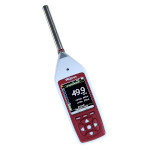
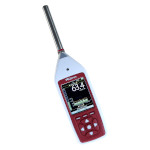
The Optimus Industrial range of sound level meters are designed for occupational noise surveys, providing all the measurements you need to meet the requirements of the regulations.
Many regulations require the use of an integrating sound level meter that can provide you with measurement of LAeq or Lavg and Lpeak. The Optimus Industrial range of meters includes both integrating and non-integrating meters.
For applications that don't demand an Integrating meter the basic model will meet your requirements, including data logging and software for generating reports. The next model in the range is ideal for those regulations that demand an Integrating meter, providing parameters such as LAeq. Finally, octave band filters are available for more detailed noise analysis and hearing protection checks.
 Cart
Cart