888 206 4377
 Email
888 206 4377
Email
Email
888 206 4377
Email
The OSHA noise exposure standards define two action levels at which worker protection must be provided and used. These actions are based on the 8-hour Time Weighted Average (TWA) of the noise levels that the worker is exposed to throughout the working day:
| TWA | Dose | Action | Details |
| 85 dBA + | 50% + | Hearing Conservation Program | Provide hearing protection for workers to wear if they choose to. Give training on the risks of high noise exposure. Monitor the levels regularly in case they increase. Provide audiometric testing. |
| 90 dBA + | 100% + | Noise Control Program | Provide hearing protection, which must be worn. Provide training on the risks of high levels and the wearing of protection. Provide audiometric testing. |
The measurements for Hearing Conservation (HC) should be made using a noise dosimeter or sound level meter with its threshold set to 80dB. The measurements for Noise Control (NC) or permissible exposure level (PEL) should be made with a threshold of 90dB. Modern dosimeters such as the doseBadge Industrial and doseBadge Pro can measure both at the same time.
When noise levels are particularly high (say > 95 dBA) you should also check that the hearing protection that you are providing is adequate. A number of methods are available and the most accurate requires the use of a meter with Octave Band Filters.
These noise exposure limits are not based on instantaneous sound levels. They are based on the TWA (time weighted average) or Dose %, which indicates the average noise levels that the worker is exposed to throughout a working day.
The two most common ways to find out a workers TWA are:
1. Sound Level Meter - Manual Measurements
If a worker stays at just one or two locations with constant noise levels then this is a relatively easy task.
2. Use a Noise Dosimeter
The dosimeter approach is much easier when a worker moves between different locations or the noise levels are changing all the time.
The noise levels in a work place should be carefully monitored using the correct grade of equipment if there is any possibility that a worker will be exposed and an 8 hour time weighted average noise level of 85 dB(A) or above. This monitoring should be repeated periodically (e.g. every year or every two years) or whenever there is change to machinery, production levels or processes that may impact on the noise levels.
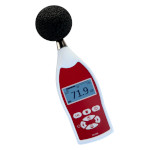
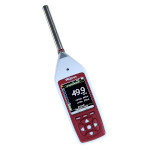
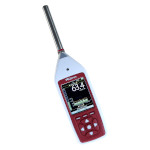
To be sure of getting accurate and repeatable noise measurements that can be used for protecting workers' hearing and protecting your company from legal claims, you should use the correct grade of sound level meter. The OSHA regulations recommend the use of a Type 2 sound level meter (you can also use Type 1 as it is more accurate) with "Slow" time weighting. You should also use a Sound Level Calibrator to check that the meter is operating correctly before making important measurements. Here are some suggestions:
 Cart
Cart